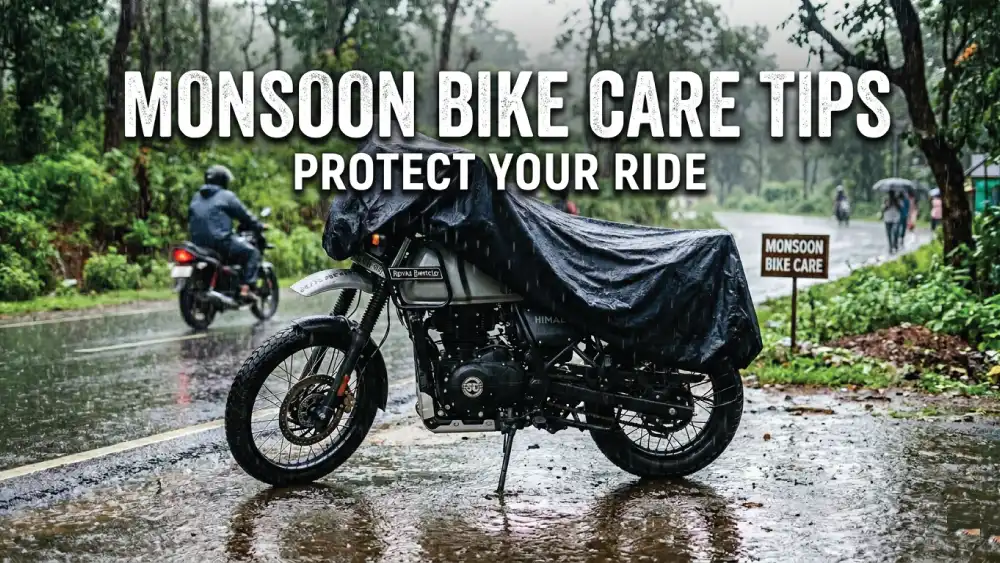
The monsoon season brings relief from scorching heat, but for bike owners, it also introduces a unique set of challenges. From slippery roads and waterlogged streets to rust and electrical issues, your motorcycle needs extra attention during rainy months. If you want your bike to perform smoothly and stay damage-free, following proper monsoon care is essential. In this detailed guide by Bike Connects, we’ll walk you through practical, easy-to-follow tips to keep your ride safe, efficient, and long-lasting during the rainy season.
Monsoon Bike Care in Rainy Season
Riding during the monsoon can be enjoyable, but it also increases the risk of accidents and bike damage. Water exposure, mud, and humidity can affect almost every part of your motorcycle-from the engine to the electrical system. That’s why adopting proper bike care practices during the rainy season is not just optional-it’s necessary.
Why Monsoon Maintenance is Important
Ignoring bike maintenance during monsoon can lead to:
- Reduced braking efficiency
- Slippery tyres and poor grip
- Rust formation on metal parts
- Electrical failures
- Engine performance issues
Regular maintenance ensures:
- Safety on wet roads
- Better fuel efficiency
- Longer lifespan of components
Pre-Monsoon Bike Preparation Checklist
Before the rains begin, take these preventive steps:
- Check tyre condition and replace if worn out
- Inspect brake pads and discs
- Test battery health
- Lubricate chain and cables
- Ensure all lights are working
- Apply anti-rust coating
A little preparation can save you from costly repairs later.
Essential Monsoon Bike Care Tips
1. Protect Electrical Components
Water can easily damage your bike’s electrical system.
What to do:
- Apply dielectric grease on battery terminals
- Ensure wiring insulation is intact
- Avoid parking in open rain
Pro Tip: Always check indicators, headlights, and brake lights before riding.
2. Maintain Tyres for Better Grip
Tyres are your first line of safety during rainy rides.
Key Tips:
- Maintain correct tyre pressure
- Ensure deep tread patterns for better traction
- Replace bald tyres immediately
Ever-evolving Bike Tip: Modern tubeless tyres offer better puncture resistance and are ideal for monsoon riding.
3. Chain Cleaning & Lubrication
Rainwater washes away lubrication, leading to rust and wear.
Steps:
- Clean chain with kerosene or chain cleaner
- Dry thoroughly
- Apply high-quality chain lubricant
Frequency: Every 300–500 km during monsoon.
4. Brake Maintenance
Wet conditions reduce braking efficiency.
Check regularly:
- Brake pads for wear
- Disc condition
- Brake fluid levels
Tip: Avoid sudden braking on wet roads-apply brakes gradually.
5. Keep Your Bike Clean & Dry
Mud and dirty water can damage paint and internal components.
Routine:
- Wash your bike weekly
- Use a soft cloth to dry
- Avoid high-pressure water near electrical parts
6. Prevent Rusting
Rust is one of the biggest enemies during monsoon.
How to prevent it:
- Apply anti-rust spray on metal parts
- Lubricate exposed joints
- Store bike in a covered area
Riding Tips During Rainy Season
Riding safely is just as important as maintaining your bike.
Smart Riding Practices:
- Ride at moderate speed
- Avoid sudden acceleration and braking
- Maintain safe distance from vehicles
- Use headlights even during daytime
- Wear proper rain gear
Road Awareness Tip: Be cautious of potholes hidden under water.
Common Mistakes to Avoid
Many riders unknowingly damage their bikes during monsoon.
Avoid these mistakes:
- Ignoring chain lubrication
- Riding with worn-out tyres
- Parking under trees (risk of debris + moisture)
- Using clutch excessively in traffic
- Skipping regular servicing
Post-Rain Care Routine
After riding in rain, follow this quick routine:
- Wipe down your bike
- Dry brakes by applying them lightly while riding
- Check for mud accumulation
- Inspect chain and re-lubricate if needed
This simple habit can significantly extend your bike’s life.
Ever-Evolving Bike Tips You Should Know
At Bike Connects, we always emphasize adapting to new riding conditions and technologies.
Here are some modern insights:
- Use ceramic coating for better water resistance
- Install crash guards for added protection
- Consider waterproof seat covers
- Use mobile holders with rain protection
These small upgrades can make a big difference during monsoon rides.
Conclusion
Monsoon riding doesn’t have to be risky if you take the right precautions. Proper bike maintenance combined with safe riding habits ensures your motorcycle stays reliable throughout the rainy season. From tyre care and brake checks to rust prevention and electrical safety, every small step contributes to a smoother and safer ride. Follow these tips from Bike Connects, and your bike will thank you with better performance, safety, and durability-even in the toughest rainy conditions.
FAQs
How often should I service my bike during monsoon?
It’s recommended to service your bike every 2–3 months or after heavy rain exposure.
Is it safe to ride a bike in heavy rain?
Yes, but only with proper precautions like slow speed, good tyres, and functioning brakes.
How can I prevent my bike chain from rusting?
Regular cleaning, drying, and lubrication are the best ways to prevent rust.
Should I cover my bike during rain?
Yes, always use a waterproof cover when parking outdoors.
Do wet brakes affect performance?
Yes, braking efficiency reduces in wet conditions. Always brake gently and early.
Which tyres are best for monsoon riding?
Tyres with deeper tread patterns and good grip (preferably tubeless) are best for rainy conditions.