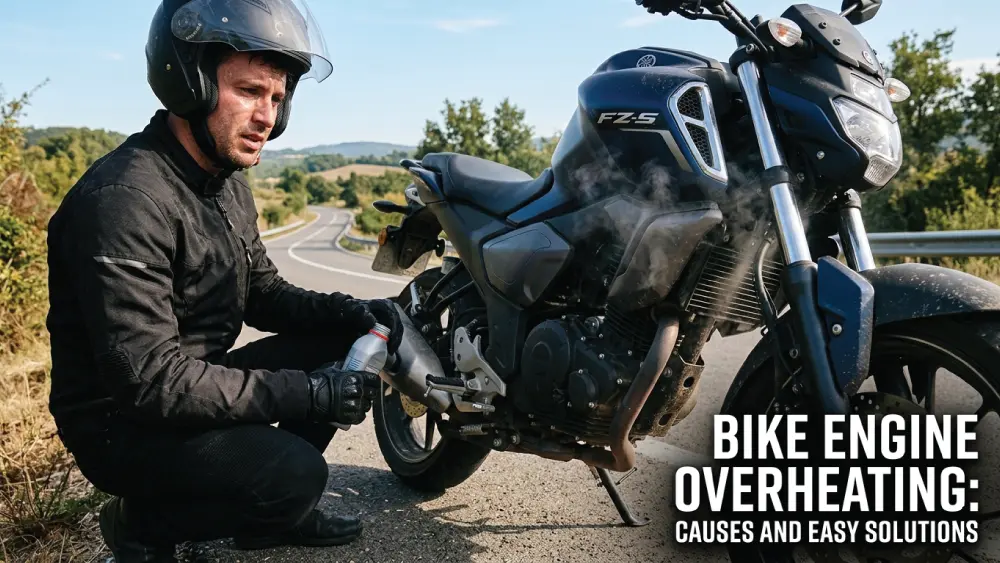
Bike engine overheating is a common issue that many riders face, especially in countries like India where traffic congestion, hot weather, and long rides are part of daily life. While a slightly warm engine is normal, excessive heat can lead to serious damage, reduced performance, and costly repairs. In this detailed guide, we’ll explore the causes of bike engine overheating, practical solutions, and smart preventive tips to keep your motorcycle running smoothly. Whether you’re a daily commuter or a long-distance rider, these insights from Bike Connects will help you maintain your bike like a pro.
Bike Engine Overheating
Every motorcycle engine generates heat during operation. However, when this heat is not properly managed, it leads to engine overheating. This problem is more common in air-cooled bikes and in situations like:
- Heavy traffic jams
- Long idle periods
- High-speed riding for extended durations
- Poor maintenance
Ignoring overheating can reduce engine life, damage internal components, and affect fuel efficiency.
How to Identify an Overheating Engine
Before fixing the issue, you need to recognize the warning signs. Here are some common indicators:
- Engine feels excessively hot to touch
- Burning smell from the engine area
- Reduced engine performance
- Engine knocking or unusual noise
- Sudden drop in mileage
- Warning light (in modern bikes)
If you notice these signs, it’s time to take action immediately.
Common Causes of Bike Engine Overheating
Understanding the root cause helps you solve the problem effectively. Let’s break down the major reasons:
1. Low Engine Oil
Engine oil plays a critical role in lubrication and cooling. Low or degraded oil increases friction, causing the engine to heat up quickly.
2. Poor Quality Engine Oil
Using low-quality or incorrect grade oil can reduce cooling efficiency and increase engine wear.
3. Air Cooling Issues
Most commuter bikes rely on air cooling. If airflow is restricted due to dust or blockage, heat cannot dissipate properly.
4. Continuous Stop-and-Go Traffic
Frequent braking and acceleration in city traffic reduce airflow and increase engine temperature.
5. Lean Fuel Mixture
A lean air-fuel mixture (more air, less fuel) burns hotter, leading to overheating.
6. Faulty Cooling System (Liquid-Cooled Bikes)
In liquid-cooled bikes, problems like:
- Low coolant level
- Radiator blockage
- Faulty fan
can cause overheating.
7. Clutch Riding Habit
Riding with half clutch increases engine load and generates excess heat.
8. Overloading the Bike
Carrying extra weight or riding with heavy luggage puts stress on the engine, making it overheat faster.
Easy Solutions to Fix Overheating Issues
Now that you know the causes, here are practical and effective solutions:
1. Check and Replace Engine Oil
- Regularly check oil levels
- Use manufacturer-recommended oil
- Replace oil every 2,500–4,000 km
This is the simplest and most effective fix.
2. Keep the Engine Clean
Dust and dirt can block airflow. Clean your bike regularly, especially:
- Engine fins
- Radiator area
4. Maintain Proper Coolant Level
For liquid-cooled bikes:
- Check coolant levels periodically
- Replace coolant as per schedule
- Ensure radiator fan is working
4. Avoid Long Idling
If stuck in traffic:
- Turn off the engine during long stops
- Avoid unnecessary revving
5. Tune the Engine Properly
A well-tuned engine ensures the correct air-fuel mixture, preventing excessive heat generation.
6. Use High-Quality Fuel
Poor-quality fuel can cause inefficient combustion, leading to overheating.
7. Adjust Riding Style
Ride smart to reduce engine stress:
- Avoid aggressive acceleration
- Maintain steady speed
- Shift gears properly
Preventive Maintenance Tips
Prevention is always better than repair. Follow these tips to avoid overheating issues:
Regular Servicing
Routine servicing ensures all components are in optimal condition.
Check Air Filter
A clogged air filter disrupts airflow, increasing engine temperature.
Monitor Spark Plug Condition
A faulty spark plug can cause improper combustion and heat buildup.
Maintain Chain Lubrication
A dry chain increases load on the engine.
Inspect Brakes
Dragging brakes can indirectly cause engine overheating by increasing resistance.
Riding Habits That Affect Engine Temperature
Your riding style plays a huge role in engine health. Let’s look at some habits:
Aggressive Riding
- High RPM riding generates more heat
- Sudden acceleration stresses the engine
Smooth Riding
- Maintains balanced temperature
- Improves fuel efficiency
Short Rides vs Long Rides
- Short rides may not allow the engine to cool properly
- Long rides at constant speed are better for engine health
At Bike Connects, we always emphasize that smart riding is as important as regular maintenance.
When to Visit a Mechanic
Sometimes DIY solutions aren’t enough. Seek professional help if:
- Engine overheats frequently
- Coolant leaks are visible
- Smoke comes from the engine
- Engine performance drops significantly
Ignoring these signs can lead to serious engine damage.
Conclusion
Bike engine overheating is a serious issue but completely manageable with the right knowledge and habits. By understanding the causes and applying simple solutions like regular oil checks, proper riding techniques, and routine maintenance, you can keep your bike running efficiently. Always remember, a well-maintained bike not only performs better but also lasts longer. Stay updated with the latest maintenance insights and ever-evolving bike tips from Bike Connects to ensure a smooth and safe riding experience.
FAQs
Is engine overheating normal in bikes?
A slight increase in temperature is normal, but excessive heat is not and should be addressed immediately.
How often should I change engine oil?
It depends on the bike, but generally every 2,500 to 4,000 km is recommended.
Can overheating damage my bike engine?
Yes, prolonged overheating can damage pistons, valves, and other internal components.
Does riding in traffic cause overheating?
Yes, heavy traffic reduces airflow and increases engine temperature.
What is the best way to cool down an overheated engine?
- Stop the bike
- Turn off the engine
- Let it cool naturally (avoid pouring water)
Can low coolant cause overheating?
Yes, in liquid-cooled bikes, low coolant is one of the main reasons for overheating.